Potassium chloride
Score impact
0.00
points/product
Description
The food additive E508, known as potassium chloride (KCl), is an inorganic compound used mainly as a stabilizer, gelling agent and salt (sodium chloride) substitute in processed foods. It occurs naturally in minerals such as sylvite and carnallite, and is obtained industrially through mining or evaporation of brines. It is also produced by chemical reaction between hydrochloric acid and potassium hydroxide. Its physicochemical properties include high solubility in water (340 g/L at 20 °C), salty taste with a slight metallic bitterness, and melting point of 770 °C.
In the food industry, E508 acts as a stabilizer of gels (especially with carrageenans and locust bean gum), acidity regulator and enhancer of salty taste in low-sodium products.
Historically, potassium chloride has been used since the 19th century as a fertilizer and in the chemical industry, but its use as a food additive was approved in the European Union in the 1970s. The European Food Safety Authority (EFSA) re-evaluated E508 in 2019, establishing an Acceptable Daily Intake (ADI) of 'not specified', indicating that it is not considered a health risk in the amounts used in foods.
The World Health Organization (WHO) also classifies it as safe, with no daily intake limit. However, EFSA notes that high doses can cause adverse effects in people with compromised kidney function. In labeling, E508 must appear as 'potassium chloride' or 'E508' in the ingredient list.
Overall, the food safety of E508 is well established, although its use as a salt substitute requires caution in sensitive populations. The overall assessment is that it is a safe additive for the general population when consumed within established limits.
E508 is used in a wide variety of food categories. According to EC Regulation 1333/2008, it is authorized in products such as: salt substitutes (up to 100% substitution), soups and broths (up to 10 g/kg), sauces and seasonings (up to 10 g/kg), processed meat products (up to 5 g/kg), bakery products (up to 3 g/kg), and isotonic drinks (up to 2 g/kg).
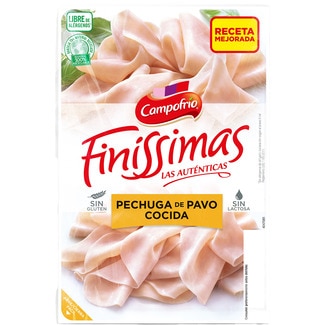
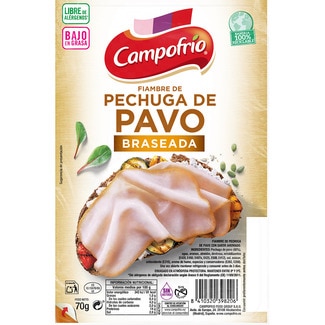
In the Spanish market, it is found in light or low-sodium salt (e.g., 'Salvita' or 'Lo-Salt'), bagged potato chips, savory crackers, cold meats such as cooked ham, and instant soups. It is also used in sports foods and infant formulas (with specific limits). Compared to the US FDA, potassium chloride is classified as 'Generally Recognized as Safe' (GRAS) and has no specific limits, although it is recommended not to exceed 5 g/day. In Japan, it is approved as a food additive with limits similar to the EU.
The main function of E508 is to replace sodium to reduce blood pressure while maintaining salty taste. It also acts as a stabilizer in gels and emulsions, improving the texture of dairy products and desserts.
Potassium chloride (E508) is generally safe for the healthy population in the amounts used in foods. However, excessive intake can cause hyperkalemia (high blood potassium levels), which can lead to cardiac arrhythmias, muscle weakness, and in severe cases, cardiac arrest.
The biological mechanism involves potassium interfering with the membrane potential of cardiac and muscle cells. Sensitive populations include people with chronic kidney disease, renal failure, uncontrolled type 1 diabetes, Addison's disease, or those taking medications such as ACE inhibitors, potassium-sparing diuretics or NSAIDs. EFSA, in its 2019 re-evaluation, concluded that there is no evidence of adverse effects in the general population at current exposure levels (ADI not specified). The WHO also supports its safety.
No carcinogenic, mutagenic or teratogenic effects have been documented. In healthy people, excess potassium is excreted in urine, so the risk is minimal. However, it is recommended that consumers with kidney problems consult a doctor before consuming products with high E508 content.
In summary, E508 is safe for most people, but should be used with caution in vulnerable populations.
- Potassium chloride
- KCl
- Muriate of potash
- Potassium salt
Products in our Spanish database containing this additive
Examples found in ComerClaro Spanish product database
Product names and supermarket data may appear in Spanish.

Classification:
Statistics
325
total views
Something wrong?
If you notice incorrect or incomplete information, help us improve the platform.