Calcium sulfate
Score impact
0.00
points/product
Description
E516, known as calcium sulfate, is a food additive classified as a stabilizer, although it also acts as a firming agent, texture agent, and acidity regulator. It is an inorganic salt of calcium and sulfuric acid, naturally present in minerals such as gypsum (dihydrate) or anhydrite. Industrially, it is obtained by extracting natural gypsum or as a byproduct of chemical processes, followed by purification and grinding.
Its physicochemical properties include being a white or slightly yellowish powder, odorless, with limited solubility in water (2 g/L at 20 °C) and heat stable. Its main function is to improve the texture and firmness of foods, especially in canned vegetable products (such as peas or carrots) and in tofu production, where it acts as a coagulant. It is also used in the baking industry to strengthen dough and in dairy products as a stabilizer.
Historically, calcium sulfate has been used since ancient times in tofu production and as an additive in the EU it has been approved since the 1970s, currently regulated by Regulation (EC) No 1333/2008. The European Food Safety Authority (EFSA) has evaluated E516 several times, most recently in 2019, concluding that there are no safety concerns at authorized use levels. The World Health Organization (WHO) and the Joint FAO/WHO Expert Committee on Food Additives (JECFA) established an Acceptable Daily Intake (ADI) of "not specified," meaning that a numerical limit is not considered necessary because estimated intake is well below any level of concern.
Regarding food safety, calcium sulfate is generally recognized as safe (GRAS) by the US FDA. No significant adverse effects in humans have been documented at the doses used in foods. Labeling in the EU must include the name or E number, and it may appear as "calcium sulfate" or "E516."
In summary, E516 is a safe, well-tolerated additive with a long history of use.
E516 is mainly used as a stabilizer and firming agent in a wide variety of foods. According to Regulation (EC) No 1333/2008, it is authorized in categories such as: canned vegetables (peas, carrots, asparagus) with limits up to 350 mg/kg; cocoa and chocolate products (up to 5 g/kg); bread and pastry dough (up to 2 g/kg); and in tofu production (sufficient amount for coagulation).
In the Spanish market, it is commonly found in canned vegetables (e.g., peas from Hacendado or Bonduelle brands), in industrial sliced bread (such as Bimbo), and in chocolates (such as Nestlé). It is also used in wine production as a clarifying agent, although it is not always declared. Compared to the FDA, limits in the US are similar, while in Japan calcium sulfate is allowed without a specific limit for tofu.
EFSA has confirmed that estimated dietary exposures are well below the ADI, so its use is safe.
Calcium sulfate (E516) is considered one of the safest additives. Toxicological studies in animals have shown no significant adverse effects even at very high doses. In humans, no side effects attributable to the consumption of E516 in the amounts present in foods have been documented. Since calcium is an essential mineral, its additional intake through the additive is generally beneficial, although in people with hypercalcemia or severe kidney disorders it could be relevant, but the amounts are minimal.
No interactions with medications are known. EFSA, in its 2019 evaluation, concluded that there is no evidence of genotoxicity, carcinogenicity, or reproductive toxicity. WHO/JECFA established an ADI of "not specified," indicating no risk even with high intakes.
Therefore, E516 has no documented side effects in the general population.
- Calcium sulfate
- Calcium sulphate
- Gypsum
- Calcium sulfate dihydrate
- Calcium sulfate anhydrous
- Calcium sulfate
- Gypsum
- Plaster of Paris
- Sulfuric acid calcium salt
- Calcium sulfate hemihydrate
- Gypsum stone
- Natural anhydrite
Products in our Spanish database containing this additive
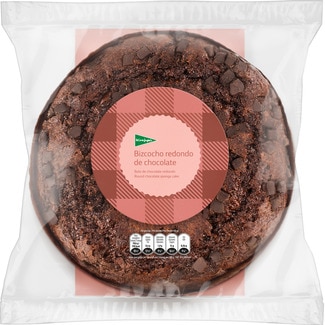
Examples found in ComerClaro Spanish product database
Product names and supermarket data may appear in Spanish.


Classification:
Statistics
258
total views
Something wrong?
If you notice incorrect or incomplete information, help us improve the platform.