Calcium hydroxide
Score impact
0.00
points/product
Description
E526, known as calcium hydroxide or slaked lime, is a food additive classified as an acidity regulator. It is an inorganic compound with the formula Ca(OH)₂, obtained industrially by controlled hydration of calcium oxide (quicklime) with water. The process generates an exothermic reaction that produces a fine, white, alkaline powder slightly soluble in water.
Its physicochemical properties include a basic pH (around 12.4 in saturated solution) and a high capacity to neutralize acids. In the food industry, calcium hydroxide is mainly used to adjust and stabilize the pH of foods, prevent microbial growth, and improve texture.
Historically, its use in food dates back centuries, for example in the preparation of nixtamalized corn in Mesoamerican cuisine. In the European Union, it was approved as a food additive after evaluations by the European Food Safety Authority (EFSA) and the Joint FAO/WHO Expert Committee on Food Additives (JECFA). EFSA has established an Acceptable Daily Intake (ADI) of 0-0.5 mg/kg body weight for total calcium, considering all dietary sources. Calcium hydroxide is considered safe in the amounts used as an additive, provided established limits are respected.
On labeling, it must appear as 'calcium hydroxide' or with its number E526. The food safety of E526 is supported by decades of use without documented adverse effects in the general population. However, excessive consumption could contribute to mineral imbalance, although this is unlikely at the doses used in foods.
E526 is used in various food categories as an acidity regulator, firming agent, and stabilizer. According to Regulation EC 1333/2008, it is authorized in products such as: canned fruits and vegetables (e.g., olives, pickles), cocoa and chocolate products, cereal derivatives (corn tortillas), and plant-based beverages (soy milk).
In the Spanish market, it is found in green olives in brine, where it helps maintain firmness and neutralize acidity; in nixtamalized corn tortillas; and in some soy beverages to adjust pH. Maximum limits vary by product: for example, in treated olives up to 0.5 g/kg (expressed as calcium) is allowed, while in soy beverages there is no specific limit, but it is used according to good manufacturing practices (quantum satis).
Compared to the US FDA, calcium hydroxide is recognized as GRAS (Generally Recognized as Safe) for similar uses, although without specific numerical limits. In Japan, it is also permitted as a food additive with restrictions similar to European ones.
Documented side effects of calcium hydroxide as a food additive are virtually nonexistent at authorized doses. EFSA and JECFA have evaluated its safety and conclude that it poses no health risk at current usage levels. The main potential risk would be excessive calcium intake, but calcium hydroxide contributes minimally to total dietary calcium. Animal studies have shown no acute or chronic toxicity at relevant doses.
In humans, occupational exposure to calcium hydroxide dust can cause respiratory or skin irritation, but this does not apply to food consumption. Sensitive populations such as individuals with hypercalcemia or renal insufficiency should monitor their total calcium intake, but E526 does not pose a significant additional risk. No interactions with medications at dietary levels have been reported.
In conclusion, EFSA and WHO consider E526 safe for the general population, without the need to establish a specific ADI for the additive itself, but rather it is evaluated within total calcium.
- Calcium hydroxide
- Calcium hydrate
- Slaked lime
- Hydrated lime
- Calcium hydrate
- Lime hydrate
- Calcium dihydroxide
- Caustic lime
- Builders' lime
- Calcium hydroxide powder
- Calcium diatomic
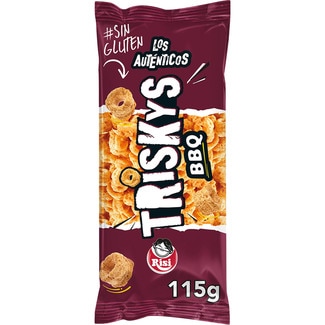
Products in our Spanish database containing this additive
Examples found in ComerClaro Spanish product database
Product names and supermarket data may appear in Spanish.


Classification:
Statistics
232
total views
Something wrong?
If you notice incorrect or incomplete information, help us improve the platform.