Calcium silicate
Score impact
0.00
points/product
Description
Calcium silicate (E552) is a food additive belonging to the category of anticaking agents. It is an inorganic compound of calcium, silicon, and oxygen, whose chemical formula varies depending on its hydration, the most common being CaSiO₃. It occurs naturally in minerals such as wollastonite, but for food use it is produced industrially by reacting calcium oxide (lime) with silicon dioxide (silica) at high temperatures, followed by a milling and sieving process to obtain a fine white powder.
Its key physicochemical properties include high moisture absorption capacity, low density, and hygroscopic nature, which allow it to prevent clumping in powdered products. Its main function is to absorb ambient moisture and coat food particles, keeping them free-flowing and easy to handle.
Calcium silicate was approved as a food additive in the European Union after evaluations by the European Food Safety Authority (EFSA), which considers it safe at authorized doses. The World Health Organization (WHO) has also evaluated it, establishing an Acceptable Daily Intake (ADI) of 20 mg/kg body weight per day (expressed as silica). Regarding food safety, E552 is not significantly absorbed in the gastrointestinal tract and is mostly excreted unchanged, so its toxicity is very low.
On labeling, it must appear as 'calcium silicate' or 'E552'. Although there are no major controversies, some consumers prefer to avoid synthetic additives, but regulatory agencies consider it safe at permitted use levels.
Calcium silicate is mainly used as an anticaking agent in powdered foods. According to Regulation EC 1333/2008, it is authorized in several categories: salt and salt substitutes (up to 10 g/kg), spices and seasonings (up to 30 g/kg), fine bakery products (up to 5 g/kg), and food supplements (quantum satis).
In the Spanish market, it is found in fine table salt, spice blends, powdered yeasts, and some baking preparations. It is also used in grated or powdered cheeses to prevent clumping. Compared to the US FDA, calcium silicate is allowed as a GRAS (Generally Recognized as Safe) additive in similar amounts, while in Japan its use is restricted to certain foods. Maximum limits in the EU are specific to each category, and controls are applied to ensure they are not exceeded.
It is important to note that its use is widespread due to its effectiveness and low cost.
Toxicological studies conducted by EFSA and WHO indicate that calcium silicate does not present significant adverse effects at authorized doses. It has not been associated with carcinogenicity, mutagenicity, or reproductive toxicity. Its mechanism of action is purely physical: it absorbs moisture without chemically reacting with foods. Being insoluble in water and indigestible, it passes through the gastrointestinal tract without being absorbed and is eliminated in feces.
No side effects have been documented in humans from consuming foods containing E552 within legal limits. Sensitive populations such as people with kidney insufficiency could be at risk if they consumed large amounts, but dietary doses are very low. No interactions with medications are known. EFSA concludes that there is no reason for public health concern at current use levels. WHO supports this assessment, establishing an ADI that is not reached with the usual diet. Therefore, it is considered a safe additive.
- Calcium silicate
- Calcium metasilicate
- Calcium monosilicate
- Wollastonite
- Synthetic calcium silicate
- Calcium salt of silicic acid
- Monocalcium silicate
- Calcium silicon oxide
- Silicic acid calcium salt
- Hydrated calcium silicate
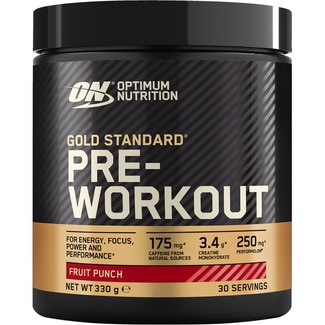
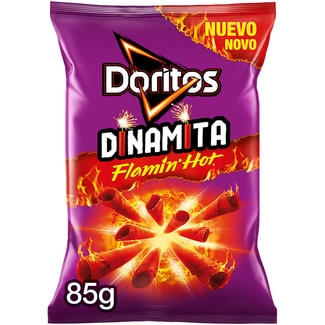
Products in our Spanish database containing this additive
Examples found in ComerClaro Spanish product database
Product names and supermarket data may appear in Spanish.

Classification:
Statistics
237
total views
Something wrong?
If you notice incorrect or incomplete information, help us improve the platform.