Glucono delta-lactone
Score impact
0.00
points/product
Description
The food additive E575, known as glucono delta-lactone (GDL), is an organic compound that acts as an acidity regulator and slow curing agent. It is obtained by controlled dehydration of gluconic acid, which in turn is produced by aerobic fermentation of glucose by microorganisms such as Aspergillus niger.
Industrially, the gluconic acid solution is concentrated and heated to form the lactone, which is then crystallized and purified. GDL is a white crystalline powder, odorless, with a slightly sweet and acidic taste. Its main property is that it slowly hydrolyzes in water to release gluconic acid, allowing gradual and homogeneous acidification. This characteristic makes it ideal for applications where a controlled pH drop is required, such as in coagulation of soy proteins for tofu, in maturation of fermented sausages, in bakery products to improve texture, and in the preparation of dairy desserts.
The history of GDL as a food additive dates back to the mid-20th century, and it was approved in the European Union as a safe additive. The European Food Safety Authority (EFSA) and the Joint FAO/WHO Expert Committee on Food Additives (JECFA) have evaluated its safety. EFSA established an Acceptable Daily Intake (ADI) of "not specified," meaning it is not considered a health risk at the levels used in foods. WHO also classifies it as safe.
On labels, it appears as "glucono delta-lactone" or "E575." Globally, it is considered a safe additive, with low toxicity potential and no significant adverse effects in humans. However, at very high doses it could cause laxative effects, but the amounts used in foods are well below that threshold.
Glucono delta-lactone is used in a wide variety of foods. In the European Union, it is authorized under Regulation EC 1333/2008 in categories such as fine bakery products (cakes, cookies), meat products (fermented sausages, cooked ham), dairy products (fresh cheeses, desserts), and soy products (tofu).
In the Spanish market, it is commonly found in artisanal tofu, in mixes for homemade fresh cheese, in sausages like salchichón, and in refrigerated pizza doughs. Authorized limits vary by category: for example, in meat products there is no maximum limit (quantum satis), while in fine bakery products up to 5 g/kg is allowed. Compared to the FDA, which also considers it GRAS (Generally Recognized as Safe), the uses are similar. In Japan, GDL is widely used in tofu and fish products.
The versatility of GDL is due to its ability to acidify slowly, allowing control of texture and preservation of foods.
Documented side effects of glucono delta-lactone are minimal. EFSA and JECFA have concluded that there is no evidence of acute, chronic, genotoxic, or carcinogenic toxicity in animal studies. In humans, GDL is rapidly metabolized to gluconic acid, which is an endogenous compound present in the body.
No significant allergic reactions have been reported. At very high doses (above 50 g/day), it could have a laxative effect due to the formation of gluconic acid, but the amounts used in foods are much lower (typically less than 5 g/day). No interactions with medications are known. Sensitive populations such as people with metabolic disorders do not present additional risks. The conclusion of EFSA and WHO is that GDL is safe under the authorized conditions of use. No numerical ADI has been established because it is not considered necessary.
In summary, additive E575 is one of the safest on the market.
- Glucono delta-lactone
- GDL
- Gluconic acid lactone
- D-glucono-1,5-lactone
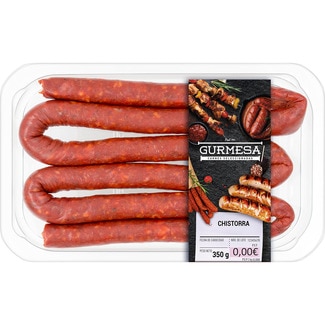
Products in our Spanish database containing this additive
Examples found in ComerClaro Spanish product database
Product names and supermarket data may appear in Spanish.


Classification:
Statistics
223
total views
Something wrong?
If you notice incorrect or incomplete information, help us improve the platform.