Ferrous gluconate
Score impact
0.00
points/product
Description
The food additive E579, known as ferrous gluconate, is the iron(II) salt of gluconic acid. It appears as a yellowish-green or light brown powder or granules with a slight caramel odor. It is soluble in water and practically insoluble in ethanol. Industrially, it is obtained by reacting gluconic acid with iron(II) carbonate or by fermentation of glucose with microorganisms that produce gluconic acid, followed by the addition of an iron salt.
Its main function is to act as an acidity regulator and as a source of iron to enrich foods. It is also used as a color stabilizer in table olives, preventing discoloration.
It was approved as a food additive in the European Union after evaluations by EFSA and JECFA (WHO). EFSA established an Acceptable Daily Intake (ADI) of 0.8 mg/kg body weight for iron from all additives, including ferrous gluconate. It is considered safe at authorized doses, although its use is regulated to avoid excess iron in the diet.
On labels, it must appear as "ferrous gluconate" or "E579". The food safety of this additive has been supported by multiple toxicological studies, which have shown no significant adverse effects at permitted concentrations.
E579 is mainly used in table olives (green and black) to stabilize color and prevent darkening during storage. It is also used as an iron source in fortified foods such as breakfast cereals, flours, dairy products, and nutritional supplements.
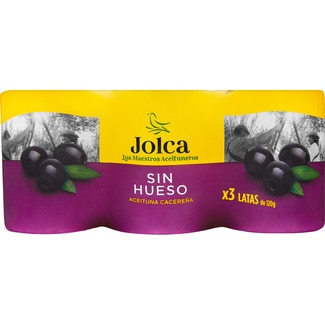
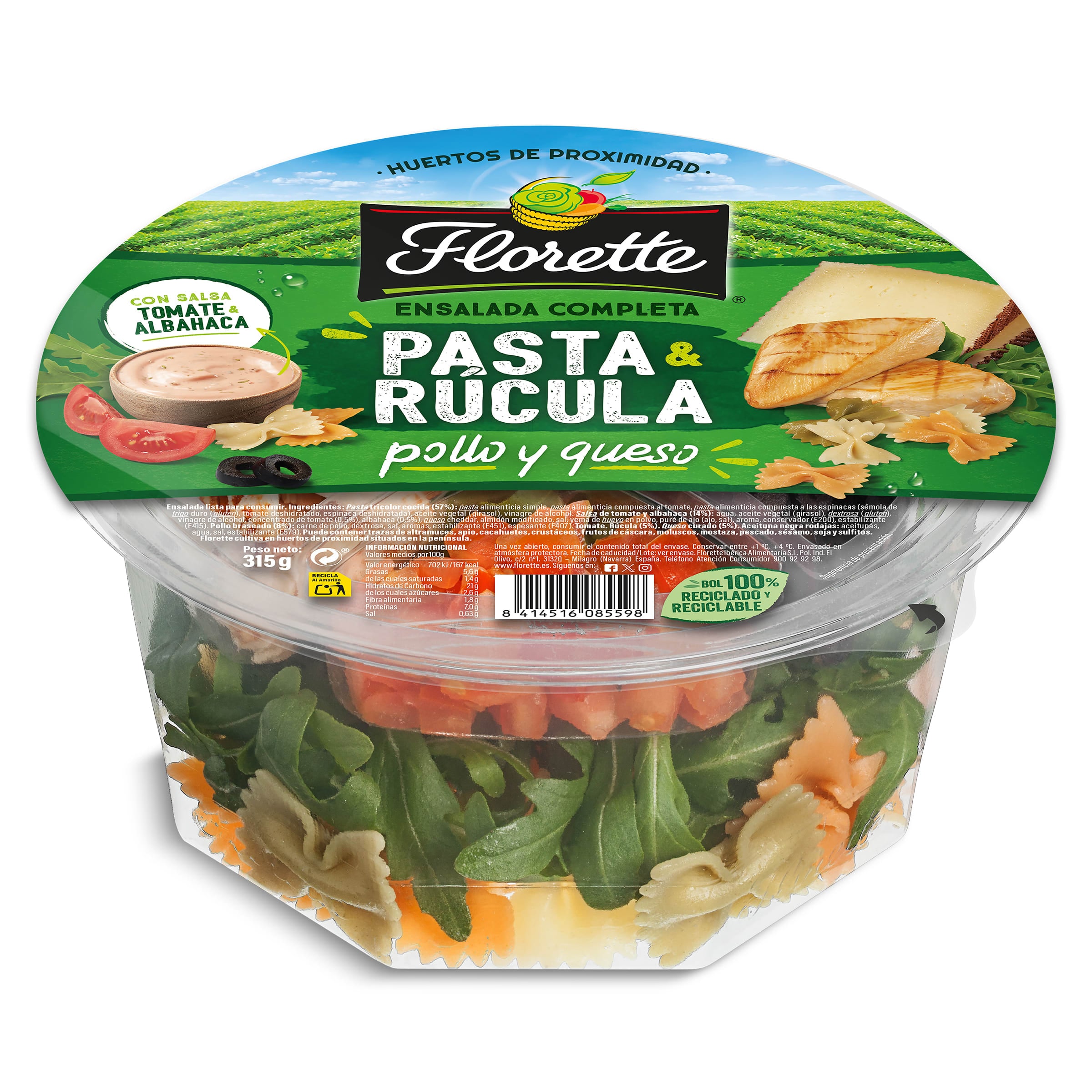
In Spain, it is commonly found in canned olives, both whole and stuffed. According to Regulation EC 1333/2008, the maximum authorized dose in olives is 150 mg/kg (expressed as iron). In other foods, the amount is limited according to enrichment needs and always respecting the ADI. The FDA considers it GRAS (Generally Recognized as Safe) for use as an iron supplement, but does not list it as a direct additive in olives. In Japan, its use is permitted in similar foods. Comparatively, the EU has stricter limits to avoid iron overdosing.
Documented adverse effects of ferrous gluconate are mainly related to iron toxicity at high doses. At authorized levels as an additive, no significant negative effects have been observed. EFSA and JECFA conclude that it is safe under current conditions of use. However, in people with hemochromatosis or other iron overload diseases, it can be harmful. It may also cause mild gastrointestinal discomfort (nausea, constipation) if consumed in excess.
No relevant drug interactions at dietary levels have been reported. The biological mechanism of iron is essential for hemoglobin formation, but in excess it can generate oxidative stress. Sensitive populations include young children and people with iron storage disorders.
In conclusion, EFSA and WHO consider E579 safe at authorized doses, provided the total ADI for iron is not exceeded.
- Iron(II) gluconate
- Ferrous gluconate
- Iron gluconate
- Ferrous gluconate
Products in our Spanish database containing this additive
Examples found in ComerClaro Spanish product database
Product names and supermarket data may appear in Spanish.

Classification:
Statistics
456
total views
Something wrong?
If you notice incorrect or incomplete information, help us improve the platform.