Ferrous lactate
Score impact
0.00
points/product
Description
Ferrous lactate (E585) is a food additive used as an acidity regulator and source of iron. It is the ferrous salt of lactic acid, with formula Fe(C3H5O3)2. Industrially, it is obtained by reaction of lactic acid with iron(II) carbonate or by lactic fermentation in the presence of iron salts. It is a crystalline powder of white-greenish or yellowish color, soluble in water and slightly soluble in ethanol. Its main function is to adjust the pH of foods, in addition to providing bioavailable iron.
Historically, it was approved in the European Union as a food additive after evaluations by EFSA. The European Food Safety Authority (EFSA) has established an Acceptable Daily Intake (ADI) of 0.8 mg/kg body weight for iron from all sources, including E585. The World Health Organization (WHO) has also evaluated it and considers its use safe within established limits.
On labeling, it must appear as "ferrous lactate" or "E585". Globally, it is considered a safe additive when consumed within regulatory limits, although it may cause adverse effects at high doses. The food safety of E585 is supported by toxicological studies showing low acute and chronic toxicity.
E585 is mainly used in infant foods (such as cereals and porridges), dairy products, beverages, and dietary supplements to fortify with iron.
In the Spanish market, it is found in infant formulas, follow-on milks, and some yogurts. According to Regulation EC 1333/2008, its use is authorized in amounts not exceeding the limits established for each food category. For example, in preparations for infants and young children, the maximum limit is 10 mg/kg of iron (as ferrous lactate). Compared to the FDA, in the United States ferrous lactate is permitted as a dietary supplement and as a food additive, with similar limits. It is also approved in Japan. Its use as an acidity regulator is less common than as an iron fortifier.
Documented adverse effects of ferrous lactate are mainly related to iron toxicity at high doses. Excessive intake can cause gastrointestinal irritation, nausea, vomiting, diarrhea, and constipation. In severe cases, it can cause liver and kidney damage.
The biological mechanism involves the generation of reactive oxygen species (oxidative stress) when free iron exceeds the binding capacity of carrier proteins. Sensitive populations include people with hemochromatosis (iron overload), iron deficiency anemia (risk of overdose if self-medicating), and young children. It may interact with medications such as proton pump inhibitors (reduce absorption) and tetracycline (decreases absorption of both).
EFSA and WHO conclude that, within the established ADI (0.8 mg/kg/day total iron), E585 is safe. No carcinogenic or teratogenic effects have been reported in animal studies.
- Iron(II) lactate
- Ferrous lactate
- Iron(II) lactate
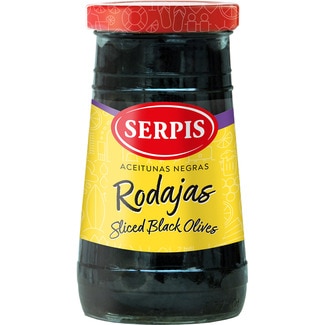
Products in our Spanish database containing this additive
Examples found in ComerClaro Spanish product database
Product names and supermarket data may appear in Spanish.


Classification:
Statistics
194
total views
Something wrong?
If you notice incorrect or incomplete information, help us improve the platform.