Glycine and its sodium salt
Score impact
0.00
points/product
Description
The food additive E640 corresponds to glycine (aminoacetic acid) and its sodium salt (sodium glycinate). Glycine is the simplest amino acid, naturally present in proteins from foods such as meat, fish, legumes, and dairy products.
Industrially, it is mainly obtained by chemical synthesis from monochloroacetic acid and ammonia, or through biotechnological processes using modified microorganisms. It is a white crystalline powder, odorless, with a sweet taste, highly soluble in water and slightly soluble in ethanol. Its main function in foods is as a flavor enhancer (it provides a sweet taste and masks bitter or metallic flavors), and it also acts as a stabilizer, texturizing agent, and preservative in some products.
The history of its use as an additive dates back to the mid-20th century, being approved in the European Union as a food additive without quantity restrictions (quantum satis) in most foods, according to Regulation EC 1333/2008. The European Food Safety Authority (EFSA) re-evaluated glycine in 2017, concluding that there are no safety concerns at current usage levels, establishing an Acceptable Daily Intake (ADI) of 0-30 mg/kg body weight for glycine and its sodium salt.
WHO, through the Joint FAO/WHO Expert Committee on Food Additives (JECFA), also considers it safe, setting a similar ADI. Globally, the food safety of E640 is well supported by toxicological studies that show no significant adverse effects. In labeling, it must appear as 'glycine' or 'sodium glycinate', or with its E number.
It is important to note that glycine is an essential nutrient for the body, participating in the synthesis of proteins, neurotransmitters, and other molecules. However, very high doses (far above those ingested with food) could cause mild side effects.
In summary, E640 is a safe and versatile additive, widely used in the food industry.
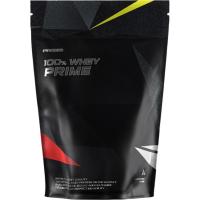
E640 is used in a wide variety of food categories, mainly as a flavor enhancer and stabilizer. It is found in processed meat products (sausages, cold cuts), soups and broths, sauces, savory snacks, appetizer products, non-alcoholic beverages (to mask bitter flavors from sweeteners), dairy products (processed cheeses, yogurts), and in dietetic foods or protein supplements.
In the Spanish market, it is common in brands of concentrated broths (such as Avecrem or Gallina Blanca), in potato chips (Matutano, Lays), and in cold cuts such as York ham or mortadella. Regulation EC 1333/2008 authorizes its use in most foods without a maximum limit (quantum satis), except in some infant products where there are restrictions. Compared to the FDA, which also considers it GRAS (Generally Recognized as Safe) without specific limits, the EU is more cautious in baby foods. In Japan, glycine is permitted as an additive with similar limits. The authorized limits in the EU are: in heat-treated meat products, up to 5000 mg/kg; in soups and broths, up to 2000 mg/kg; in sauces, up to 1000 mg/kg; in beverages, up to 500 mg/kg. These values ensure that daily intake does not exceed the established ADI.
Glycine and its sodium salt are considered safe by EFSA and WHO at the doses used as food additives. No significant adverse effects in humans have been documented with usual dietary exposure levels. Toxicological studies in animals have shown that very high doses (above 1000 mg/kg/day) can cause effects such as drowsiness, nausea, or vomiting, but these doses are far higher than those ingested with food.
The biological mechanism of glycine includes its role as an inhibitory neurotransmitter in the central nervous system; however, ingested glycine is rapidly metabolized in the liver and does not easily cross the blood-brain barrier, so it does not produce neurological effects at normal doses. Sensitive populations such as people with renal insufficiency might have difficulty eliminating excess glycine, but levels in foods are safe. No interactions with medications are known.
EFSA concluded in 2017 that there is no evidence of genotoxicity, carcinogenicity, or reproductive toxicity. WHO/JECFA also supports its safety.
In summary, E640 does not present relevant side effects under authorized conditions of use, being one of the most innocuous additives.
- Aminoacetic acid
- Sodium glycinate
- Amino acid glycine
- Glycine sodium salt
Products in our Spanish database containing this additive
Examples found in ComerClaro Spanish product database
Product names and supermarket data may appear in Spanish.

Classification:
Statistics
232
total views
Something wrong?
If you notice incorrect or incomplete information, help us improve the platform.