Dimethyl polysiloxane
Score impact
0.00
points/product
Description
The food additive E900, known as dimethyl polysiloxane, is a silicone compound used primarily as an antifoaming agent in the food industry. It belongs to the family of polysiloxanes, polymers based on silicon and oxygen with methyl groups. Its origin is synthetic; it is obtained by hydrolysis and polycondensation of dimethyldichlorosilane, followed by treatment to control molecular weight. Industrially, it is produced in controlled reactors, yielding a viscous, colorless, odorless, and tasteless liquid.
Its physicochemical properties include high thermal stability (up to 200 °C), low surface tension (which gives it its antifoaming action), insolubility in water, and solubility in organic solvents. Its main function is to prevent or reduce foam formation during manufacturing, packaging, and cooking of foods.
Historically, it was approved in the European Union as a food additive in the 1970s, and its use is regulated by Regulation (EC) 1333/2008. The European Food Safety Authority (EFSA) has evaluated it several times, most recently in 2018, concluding that there are no safety concerns at authorized use levels. The World Health Organization (WHO) and the Joint FAO/WHO Expert Committee on Food Additives (JECFA) established an Acceptable Daily Intake (ADI) of 0-1.5 mg/kg body weight.
The overall safety assessment is favorable: it is considered a safe additive, with no genotoxicity or carcinogenicity, and low oral absorption. On labeling, it must be listed as "antifoaming agent" or "dimethyl polysiloxane" or its E number.
In summary, E900 is an effective and safe food additive, supported by rigorous scientific evaluations.
E900 is used as an antifoaming agent in various food categories. According to Regulation EC 1333/2008, it is authorized in: oils and fats (except butter and dairy fats) up to 10 mg/kg; emulsified sauces (such as mayonnaise) up to 10 mg/kg; fruit and vegetable-based beverages (including nectars) up to 10 mg/kg; confectionery products (such as hard candies) up to 10 mg/kg; and in wine production (up to 10 mg/L).
In the Spanish market, it is found in olive and seed oils, commercial sauces, packaged juices, and candies. It is also used in the brewing industry to control foam during filling. The US FDA classifies it as GRAS (Generally Recognized as Safe) with similar limits, while in Japan its use is permitted in fats and oils up to 50 mg/kg. The maximum authorized dose in the EU is 10 mg/kg in most foods, although in some cases such as dietary supplements it can reach 1000 mg/kg. Its efficacy is high at low concentrations, minimizing consumer exposure.
Toxicological studies on dimethyl polysiloxane (E900) indicate that it is practically inert and not absorbed in the gastrointestinal tract. EFSA, in its 2018 re-evaluation, concluded that there is no evidence of adverse effects in humans at authorized use levels. Acute toxicity studies show an oral LD50 greater than 5000 mg/kg in rats, indicating low toxicity. In subchronic and chronic toxicity studies, no significant effects on organs or hematological or biochemical parameters were observed. No genotoxicity or carcinogenicity has been demonstrated.
The biological mechanism is based on its lack of absorption: being a high molecular weight polymer, it is excreted unchanged in feces. No particularly sensitive populations have been identified, although individuals with allergies to silicones could present reactions, but these are extremely rare. No interactions with medications are known. WHO/JECFA established an ADI of 0-1.5 mg/kg body weight, based on a NOAEL (no observed adverse effect level) of 150 mg/kg/day in animal studies. Since the estimated dietary exposure is well below the ADI, E900 is considered safe for the general population.
In conclusion, no significant side effects have been documented under authorized conditions of use.
- Dimethylpolysiloxane
- Polydimethylsiloxane
- PDMS
- Silicone
- Silicone antifoam
- Silicone oil
- Dimethicone
- Methyl silicone polymer
- Antifoaming agent
- Food-grade silicone
- Silicone fluid
- Stop-foam
- Liquid silicone resin
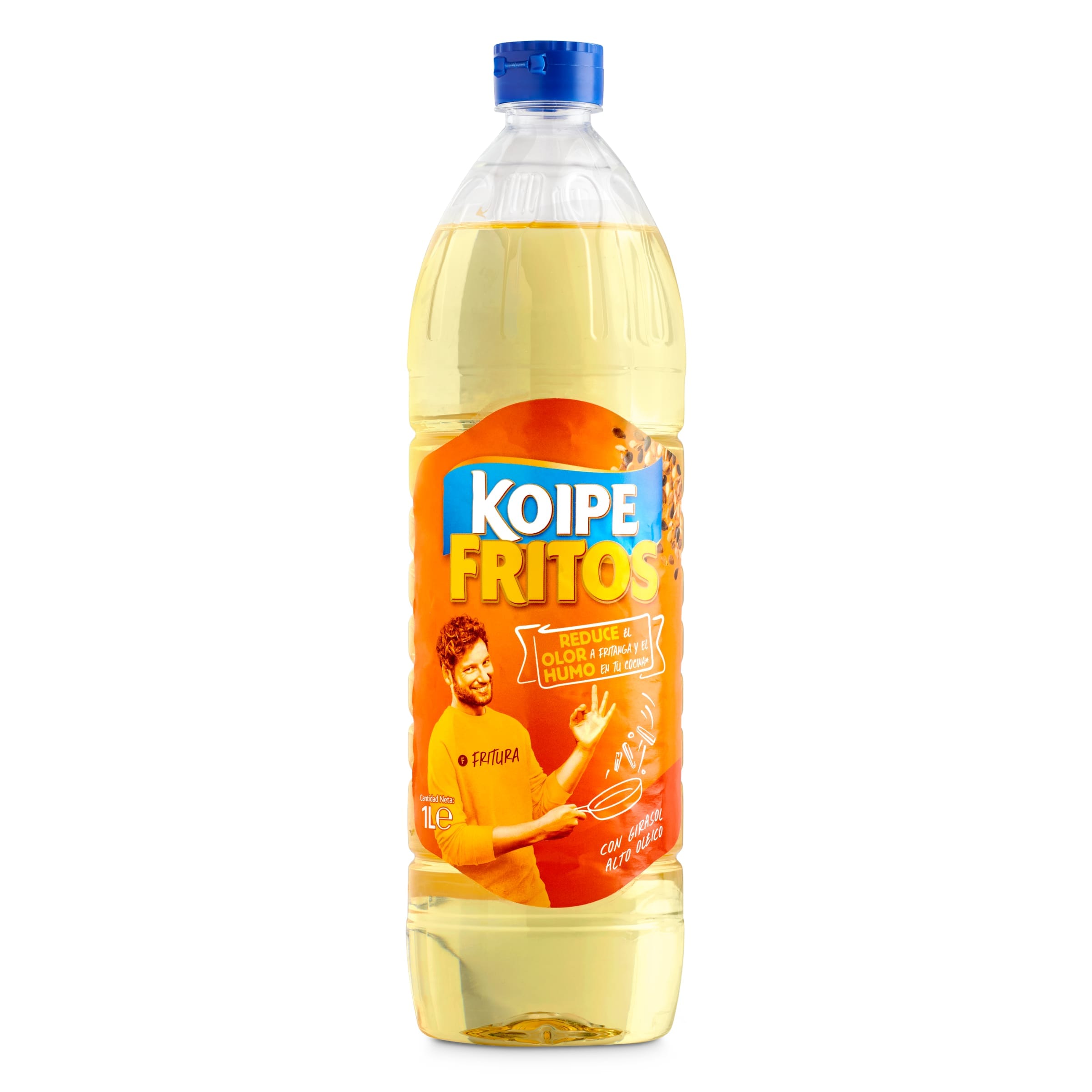
Products in our Spanish database containing this additive
Examples found in ComerClaro Spanish product database
Product names and supermarket data may appear in Spanish.


Classification:
Statistics
342
total views
Something wrong?
If you notice incorrect or incomplete information, help us improve the platform.