Beeswax (white and yellow)
Score impact
0.00
points/product
Description
Beeswax (E901) is a natural food additive produced by worker bees (Apis mellifera) to build honeycombs. It comes in two forms: yellow beeswax (unrefined) and white beeswax (bleached with hydrogen peroxide or sunlight). Industrially, it is obtained by melting honeycombs in hot water, filtering, and purifying. Yellow wax is obtained directly; white wax undergoes a bleaching process.
Physicochemically, it is a complex mixture of fatty acid esters (mainly myricyl palmitate), hydrocarbons, free acids, and alcohols. Its melting point ranges from 62-65 °C. As an additive, it functions as a coating (glazing) agent and bulking agent, providing shine and protection to fruits, candies, and supplements.
Its use as a food additive dates back to ancient times, and it was approved in the EU following EFSA evaluations. EFSA (2019) and WHO JECFA (2005) assessed its safety, concluding that it is not necessary to establish a specific Acceptable Daily Intake (ADI) since its consumption poses no health risk at the levels used. It is considered a safe additive, although it may cause allergic reactions in individuals sensitive to honey or pollen.
On labels, it must be listed as 'beeswax' or 'E901'.
E901 is mainly used as a coating and glazing agent in a variety of foods. According to EC Regulation 1333/2008, it is authorized in: fresh fruits (citrus, melons, apples, pears, etc.) for surface coating; confectionery (chewing gum, candies, chocolates) to provide shine; nuts (peanuts, almonds) as a coating; food supplements; and coffee beans.
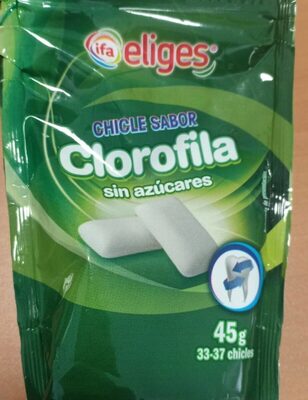
In the Spanish market, it is found in candies such as gummy bears, glazed fruits, and on the outer layer of some cheeses. Authorized limits are 'quantum satis' (sufficient amount to achieve the desired effect) in most categories, except in some products where specific limits apply (e.g., 200 mg/kg in solid supplements). The FDA classifies it as GRAS (Generally Recognized as Safe) for similar uses. In Japan, it is permitted as a natural additive. There are no significant differences in international regulations.
Beeswax (E901) is considered safe for the general population. EFSA and JECFA have not established an ADI, concluding that there is no risk at current use levels. Documented adverse effects are rare and limited to allergic reactions in individuals with pollen or honey allergy, as wax may contain traces of these components.
Symptoms may include urticaria, contact dermatitis, or, in extreme cases, anaphylaxis. No systemic toxic effects have been reported, as wax is not digested or absorbed in the gastrointestinal tract; it is excreted unchanged. There is no evidence of carcinogenicity, mutagenicity, or reproductive toxicity. Sensitive populations: individuals allergic to bee products. No known interactions with medications.
The conclusion of regulatory agencies is that E901 is safe for the general consumer, provided it is used within good manufacturing practices.
- Beeswax
- White beeswax
- Yellow beeswax
- Cera alba
- Cera flava
- Capping wax
- Beeswax
- White beeswax
- Yellow beeswax
- Refined beeswax
Products in our Spanish database containing this additive
Examples found in ComerClaro Spanish product database
Product names and supermarket data may appear in Spanish.


Classification:
Statistics
228
total views
Something wrong?
If you notice incorrect or incomplete information, help us improve the platform.