Carnauba wax
Score impact
0.00
points/product
Description
The food additive E903, known as carnauba wax, is a vegetable wax obtained from the leaves of the palm tree Copernicia prunifera (or Copernicia cerifera), native to northeastern Brazil. It is industrially obtained by drying the leaves, followed by beating to release the wax, which is then purified by filtration and centrifugation. Carnauba wax is a complex mixture of fatty acid esters (mainly esters of cerotic acid and myricyl alcohol), fatty alcohols, free fatty acids, and hydrocarbons.
It is yellow to light brown in color, with a melting point between 82 and 86 °C, insoluble in water but soluble in organic solvents. Its main function in food is as a coating and glazing agent, providing shine and protection against moisture. It is also used as a bulking agent and anti-caking agent.
Carnauba wax has been used historically in the food industry since the early 20th century, and was approved as a food additive in the European Union by Directive 95/2/EC, currently regulated by Regulation (EC) 1333/2008. The European Food Safety Authority (EFSA) has evaluated its safety on several occasions, most recently in 2012, establishing an Acceptable Daily Intake (ADI) of 7 mg/kg body weight. The World Health Organization (WHO) and the Joint FAO/WHO Expert Committee on Food Additives (JECFA) have also evaluated carnauba wax, assigning an ADI of 7 mg/kg bw.
The overall safety assessment is that carnauba wax is considered safe for human consumption at authorized use levels, with no significant adverse effects. In food labeling, it must appear as 'carnauba wax' or 'E903'.
Carnauba wax (E903) is mainly used as a coating and glazing agent in a variety of foods. According to Regulation (EC) 1333/2008, it is authorized in the following categories: fresh fruits and vegetables (for surface coating), nuts, coffee beans, confectionery (chewing gum, candies, chocolates), fine bakery products, and food supplements.
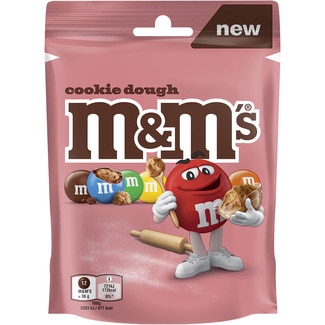
In the Spanish market, it is found in products such as chewing gum (e.g., Trident brand), hard candies, coated chocolates (e.g., Lacasitos), glazed nuts (e.g., chocolate-coated peanuts), and on the outer layer of some fruits like apples and citrus to provide shine. Authorized limits vary by category: for example, in chewing gum up to 1,200 mg/kg, in candies up to 200 mg/kg, in coated nuts up to 500 mg/kg, and in fresh fruits up to 400 mg/kg (expressed as total wax).
Compared to the US FDA, carnauba wax is classified as GRAS (Generally Recognized as Safe) and is allowed in limited quantities in foods, without a specific maximum limit. In Japan, it is also permitted as a food additive, with restrictions similar to European ones.
Documented side effects of carnauba wax (E903) are very limited. EFSA and JECFA have concluded that there is no evidence of acute, subchronic, or chronic toxicity at authorized use levels. No significant adverse effects have been reported in humans after consuming foods containing carnauba wax. In animal studies, very high doses (above 1,000 mg/kg bw/day) have shown effects such as diarrhea and decreased body weight, but these levels are not relevant to human exposure. No genotoxic or carcinogenic effects have been identified.
Carnauba wax is not significantly absorbed in the gastrointestinal tract, so it is excreted mainly unchanged in feces. No specific sensitive populations are known, although people with allergies to plants of the Arecaceae family (palms) could present allergic reactions, though this is extremely rare. No interactions with medications have been described. In conclusion, both EFSA and WHO consider carnauba wax safe for human consumption in the amounts used as a food additive, with no adverse side effects.
- Carnauba wax
- Carnauba wax
- Palm wax
- Copernicia cerifera wax
- Carnauba wax
- Brazil wax
- Vegetable carnauba wax
- Brazilian palm wax
- Copernicia cerifera exudate
- Vegetable coating wax
- Hard palm wax
Products in our Spanish database containing this additive
Examples found in ComerClaro Spanish product database
Product names and supermarket data may appear in Spanish.


Classification:
Statistics
247
total views
Something wrong?
If you notice incorrect or incomplete information, help us improve the platform.