Sucralose
Score impact
-0.50
points/product
Description
Sucralose (E955) is a non-caloric artificial sweetener, approximately 600 times sweeter than sugar (sucrose). It is obtained by selective chlorination of sucrose, replacing three hydroxyl groups with chlorine atoms. This process modifies the molecule so that the human body does not recognize it as a carbohydrate and does not metabolize it for energy, thus providing zero calories.
It was discovered in 1976 by researchers at Tate & Lyle and first approved in Canada in 1991. In the European Union, sucralose was authorized as a food additive in 2004 (Directive 2004/357/EC) and subsequently included in Regulation (EC) 1333/2008 on food additives. The European Food Safety Authority (EFSA) has evaluated sucralose on several occasions, establishing an Acceptable Daily Intake (ADI) of 15 mg/kg body weight.
The World Health Organization (WHO) has also evaluated its safety and supports this ADI. Sucralose is stable at high temperatures, making it suitable for cooking and baking. It is not fermentable by oral bacteria, so it does not contribute to dental caries. Regarding its safety, toxicological studies have not shown significant adverse effects in humans at usual consumption doses. However, some animal studies have suggested possible effects on gut microbiota or insulin response, but these findings have not been conclusively confirmed in humans.
EFSA concludes that sucralose is safe for the general population, including pregnant women and children, within the established limits. On food labels, it must appear as 'sweetener: sucralose' or 'E955'. Sucralose is one of the most widely used sweeteners in the food industry due to its high sweetening power and favorable safety profile.
Sucralose is used in a wide variety of food products as a tabletop sweetener, soft drinks, juices, nectars, dairy products (yogurts, desserts), ice cream, confectionery, chewing gum, jams, canned fruit, breakfast cereals, bakery and pastry products, sauces, condiments, and foods for weight control diets.
In the Spanish market, it is found in brands such as 'Canderel Sucralosa', 'Splenda', and in numerous light or sugar-free products in supermarkets. Authorized limits vary by food category according to Regulation (EC) 1333/2008. For example, in flavored non-alcoholic beverages, the maximum limit is 300 mg/l; in dairy desserts, 350 mg/kg; in ice cream, 320 mg/kg; in sugar-free confectionery, up to 2400 mg/kg. In the United States, the FDA approved sucralose in 1998 and sets an ADI of 5 mg/kg/day (based on a different safety factor), while in Japan it has been approved since 1999 with limits similar to European ones.
Sucralose is stable to heat and acidic pH, making it versatile for manufacturing processes.
Sucralose is considered safe for the general population in authorized amounts. Documented side effects are rare and generally mild. Some people may experience gastrointestinal discomfort such as bloating, gas, or diarrhea, especially if consumed in large amounts, due to a small fraction being fermented by gut microbiota.
No carcinogenic, teratogenic, or neurotoxic effects have been demonstrated in humans. EFSA and WHO conclude that there is no evidence that sucralose causes harm at current consumption levels. However, some animal studies have suggested that sucralose could alter gut microbiota or affect insulin response, but these findings have not been confirmed in humans. People with phenylketonuria (PKU) have no restriction with sucralose, unlike other sweeteners such as aspartame. No significant interactions with medications are known.
In summary, sucralose is one of the most studied sweeteners and its safety profile is widely accepted by health authorities.
- Trichlorogalactosucrose
- TGS
- 6-Dichloro-1
- 6-dideoxy-β-D-fructofuranosyl-4-chloro-4-deoxy-α-D-galactopyranoside
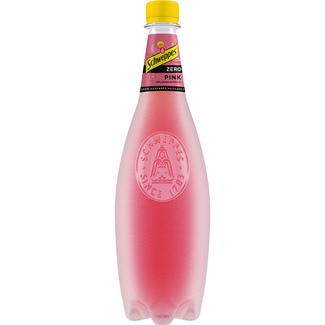
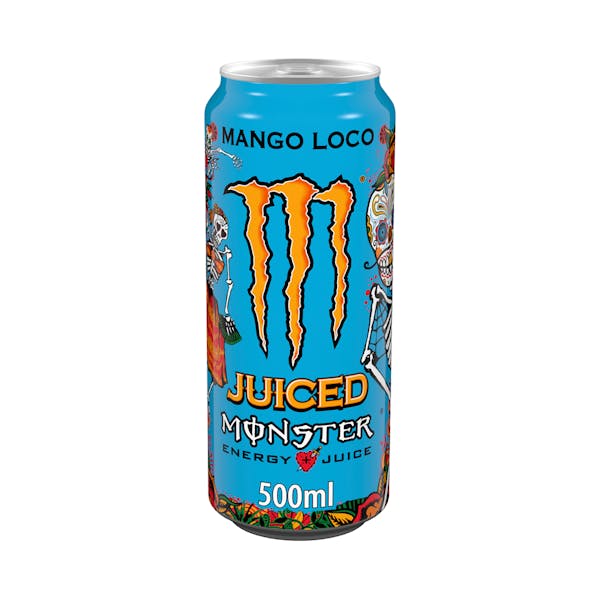
Products in our Spanish database containing this additive
Examples found in ComerClaro Spanish product database
Product names and supermarket data may appear in Spanish.

Classification:
Statistics
343
total views
Something wrong?
If you notice incorrect or incomplete information, help us improve the platform.