Thaumatin
Score impact
+0.40
points/product
Description
Thaumatin (E957) is a natural high-intensity sweetener, approximately 2000-3000 times sweeter than sucrose. It is obtained from the fruits of the tropical shrub Thaumatococcus daniellii, native to West Africa. Industrially, it is extracted using aqueous processes and purified by filtration and chromatography. It is a protein (mixture of thaumatin I and II) soluble in water, stable to heat and over a wide pH range (2-10). Its main function is as a sweetener and flavor enhancer, with a sweet profile that may have a slight licorice aftertaste.
It was approved in the EU in 1984 and re-evaluated by EFSA in 2015 and 2021, which concluded that there is no safety concern at current usage levels. WHO/FAO established an ADI of 'not specified', indicating that no daily limit is required due to its low toxicity.
On labeling, it appears as 'sweetener: thaumatin' or E957. It is a safe food additive, well tolerated and without significant adverse effects in the general population.
Thaumatin is used in a wide variety of foods and beverages as a sweetener and flavor enhancer. According to EC Regulation 1333/2008, it is authorized in categories such as: confectionery products (chewing gum, candies), desserts, ice cream, non-alcoholic beverages, fine bakery products, food supplements, and as a flavor enhancer in soups, sauces, and snacks. Maximum limits vary: for example, in non-alcoholic beverages up to 50 mg/L, in chewing gum up to 500 mg/kg, in desserts up to 50 mg/kg.
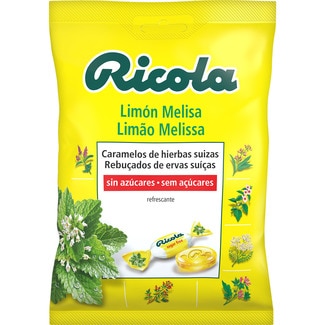
In the Spanish market, it is found in sugar-free chewing gum (e.g., brand 'Orbit'), light beverages, and some sweetened yogurts. Comparatively, the FDA considers it GRAS (Generally Recognized as Safe) and in Japan it is approved as a natural sweetener. There are no significant restrictions in other countries.
Toxicological studies have not documented significant adverse effects in humans at usage doses. EFSA in its 2021 re-evaluation concluded that there is no evidence of genotoxicity, carcinogenicity, or reproductive toxicity. At very high doses (far above normal consumption), it could cause mild laxative effects due to its protein nature, but no cases have been reported.
No specific sensitive populations have been identified, although people with allergies to plant proteins could react, but this is extremely rare. There are no known interactions with medications. WHO/FAO established an ADI of 'not specified', indicating that normal consumption poses no risk.
In conclusion, thaumatin is considered safe for the general population.
- Talin
- Thaumatococcus daniellii protein
- Thaumatin I
- Thaumatin II
Products in our Spanish database containing this additive
Examples found in ComerClaro Spanish product database
Product names and supermarket data may appear in Spanish.

Classification:
Statistics
231
total views
Something wrong?
If you notice incorrect or incomplete information, help us improve the platform.