Neohesperidin DC
Score impact
-0.10
points/product
Description
The food additive E959, known as neohesperidin DC (neohesperidin dihydrochalcone), is an intense sweetener of semi-synthetic origin. It is obtained from neohesperidin, a flavonoid naturally present in the peel of bitter oranges (Citrus aurantium).
Industrially, neohesperidin is extracted from citrus processing by-products and then hydrogenated to convert it into neohesperidin DC, a process involving the reduction of the carbonyl group. The result is a white or slightly yellowish crystalline powder, highly soluble in water and stable under typical food pH and temperature conditions. Its sweetening power is 1500 to 2000 times that of sugar (sucrose), but with a flavor profile that includes a licorice or menthol aftertaste, limiting its use to certain applications. In addition to sweetening, it has flavor-enhancing properties and can mask bitter tastes.
The history of its approval in the European Union dates back to Directive 94/35/EC on sweeteners, and it is currently regulated by Regulation (EC) 1333/2008. The European Food Safety Authority (EFSA) has evaluated neohesperidin DC on several occasions, establishing an Acceptable Daily Intake (ADI) of 0-5 mg/kg body weight.
The World Health Organization (WHO) and the Joint FAO/WHO Expert Committee on Food Additives (JECFA) have also evaluated this additive, confirming the same ADI. The overall safety assessment is favorable: no genotoxic, carcinogenic, or teratogenic effects have been identified in available studies. On product labels, it must appear as 'sweetener: neohesperidin DC' or 'E959'.
It is important to note that, although it is an intense sweetener, its use is authorized in a wide range of foods, always respecting the established maximum limits.
In summary, neohesperidin DC is a safe and effective food additive with a long history of use in the European food industry.
Neohesperidin DC (E959) is mainly used as a sweetener and flavor enhancer in various food categories. According to Regulation (EC) 1333/2008, it is authorized in: non-alcoholic beverages (soft drinks, juices, nectars), dairy products (yogurts, dairy desserts), ice cream, confectionery (chewing gum, candies, chocolates), breakfast cereals, fine bakery products, sauces, condiments, and food supplements.
In the Spanish market, it can be found in light or zero drinks, low-calorie yogurts, sugar-free chewing gum, and some dairy desserts. Maximum use levels vary by category; for example, in non-alcoholic beverages the limit is 30 mg/l, while in chewing gum it can reach up to 150 mg/kg. Comparatively, the US FDA does not have neohesperidin DC on its list of direct food additives, although it is allowed as a flavoring in some applications. In Japan, its use is permitted in certain foods.
The maximum authorized dose in the EU is considered safe and is well below the established ADI.
Toxicological studies conducted by EFSA and JECFA have not identified significant adverse effects associated with the consumption of neohesperidin DC at authorized doses. No genotoxic, carcinogenic, or teratogenic effects have been observed.
In humans, some studies have reported a slight laxative effect at very high doses (above 100 mg/kg/day), but this is not relevant for dietary exposure levels. The biological mechanism of this effect is not fully elucidated, but it could be related to intestinal fermentation of unabsorbed compounds.
No interactions with medications or particularly sensitive populations have been described, although people with phenylketonuria should note that neohesperidin DC does not contain phenylalanine, unlike aspartame. The conclusion of EFSA and WHO is that the additive is safe under the authorized conditions of use. However, as with any additive, consumption within established limits is recommended.
- Neohesperidin dihydrochalcone
- Neohesperidin DC
- NHDC
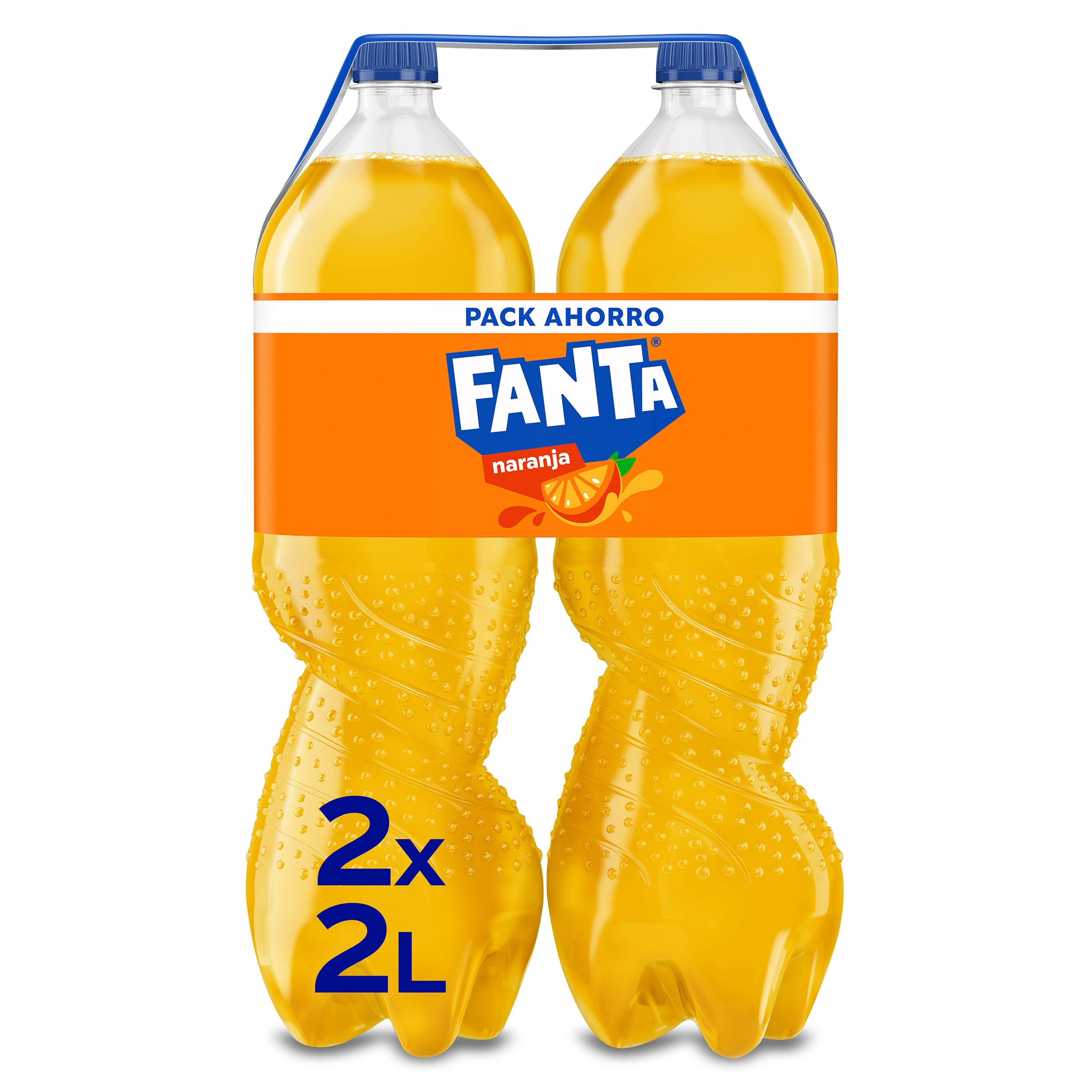
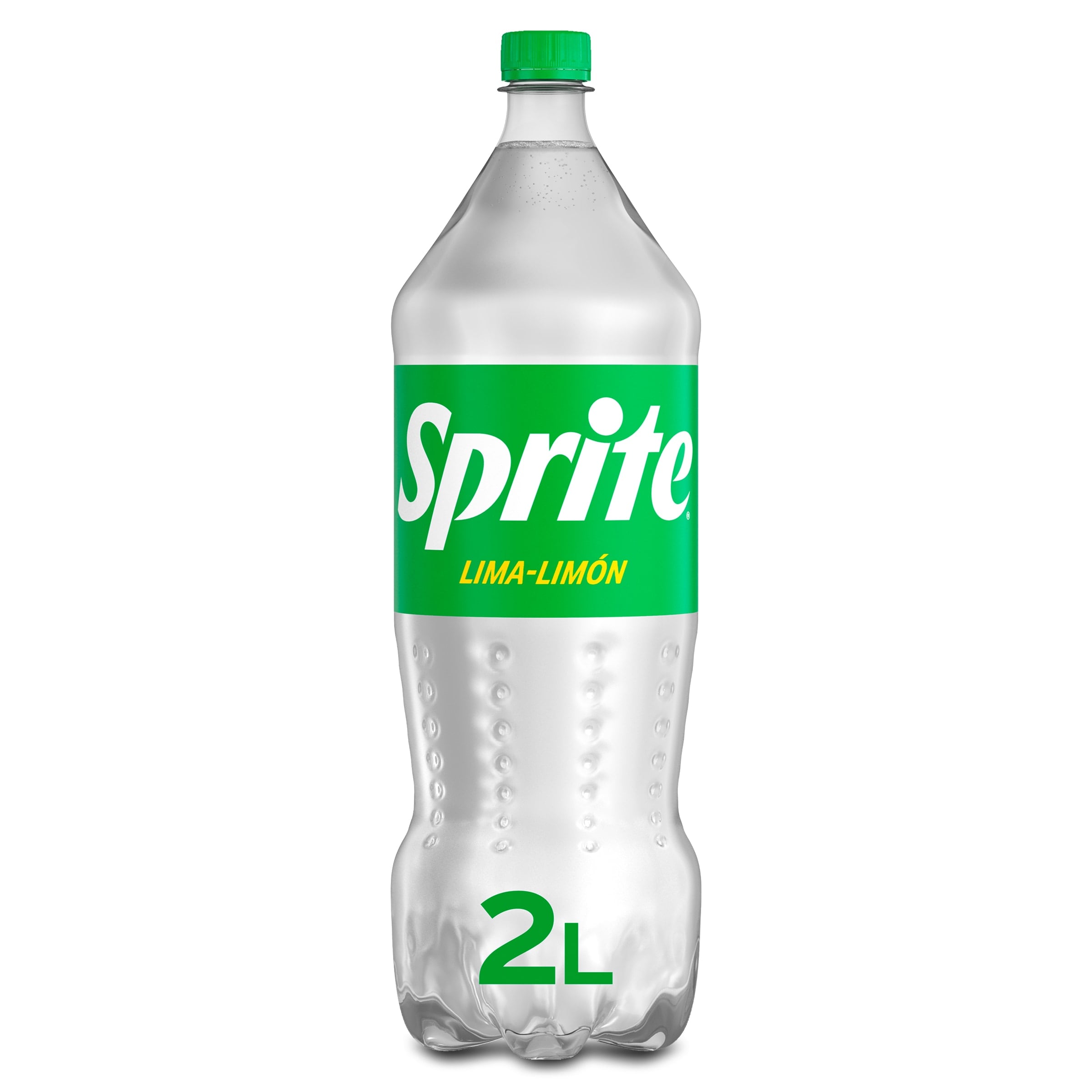
Products in our Spanish database containing this additive
Examples found in ComerClaro Spanish product database
Product names and supermarket data may appear in Spanish.
Classification:
Statistics
239
total views
Something wrong?
If you notice incorrect or incomplete information, help us improve the platform.