Maltitols
Score impact
0.00
points/product
Description
The food additive E965, known as maltitols, is a sweetener from the polyol family (sugar alcohols). It is obtained by catalytic hydrogenation of maltose, a disaccharide derived from corn or potato starch. Industrially, maltose is hydrogenated in the presence of a Raney nickel catalyst at high pressure and temperature, yielding a mixture of maltitol (main) and other polyols.
Maltitol is a white crystalline powder, sweet (90% of the sweetening power of sucrose), with a low glycemic index and non-cariogenic. Its main function is to sweeten foods while reducing calories and avoiding glucose spikes.
It was approved in the EU in the 1990s and is listed in Regulation EC 1333/2008. EFSA has evaluated its safety several times, establishing an Acceptable Daily Intake (ADI) of 'not specified' (no numerical limit is considered necessary due to its low toxicity). WHO also considers it safe.
Globally, E965 is a safe sweetener for the general population, although it may cause laxative effects at high doses. On labels, it must appear as 'maltitols' or 'E965', and in products with more than 10% polyols, a warning 'excessive consumption may have laxative effects' is required.
E965 is used in a wide variety of sugar-free or reduced-calorie foods: chewing gum, candies, chocolates, cookies, ice cream, dairy desserts, jams, beverages, and bakery products.
In the Spanish market, it is commonly found in sugar-free chewing gum (e.g., Orbit), 'no added sugar' chocolates (e.g., Nestlé Postres), and diabetic cookies. The limits authorized by Regulation EC 1333/2008 are 'quantum satis' (sufficient amount to achieve the desired effect) in most categories, except in some like beverages (maximum 0.5 g/L). In the US, the FDA considers it GRAS (Generally Recognized as Safe) without specific limits. In Japan, it is also approved without significant restrictions. Comparatively, the EU is more cautious with the laxative warning labeling.
Documented adverse effects of E965 are mainly gastrointestinal: flatulence, abdominal distension, and osmotic diarrhea when consumed in large amounts (more than 20-30 g/day). This is because polyols are not fully absorbed in the small intestine and are fermented by colonic microbiota, generating gas and attracting water. Sensitive populations include people with irritable bowel syndrome (IBS) or functional digestive disorders.
No relevant drug interactions have been described. EFSA concludes there is no evidence of chronic toxic, carcinogenic, or teratogenic effects. WHO supports its safety.
In summary, it is safe at normal consumption, but may cause digestive discomfort at high doses.
- Maltitol
- Liquid maltitol
- Maltitol syrup
- Maltitol (E965)
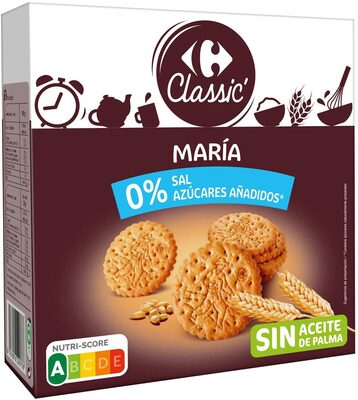
Products in our Spanish database containing this additive
Examples found in ComerClaro Spanish product database
Product names and supermarket data may appear in Spanish.


Classification:
Statistics
399
total views
Something wrong?
If you notice incorrect or incomplete information, help us improve the platform.