Lactitol
Score impact
0.00
points/product
Description
Lactitol (E966) is a sweetener from the polyol family (sugar alcohols) obtained from lactose, the natural sugar in milk. Industrially, it is produced by catalytic hydrogenation of lactose, a process that converts the aldehyde group of galactose into an alcohol, resulting in a disaccharide (galactose-glucitol) with a sweetening power of 30-40% of table sugar (sucrose).
It is a white crystalline powder, odorless, highly soluble in water, and heat-stable, making it suitable for baked goods. Its main function is to sweeten without providing significant calories (2.4 kcal/g vs. 4 kcal/g for sugar) and it does not raise blood glucose, making it useful for diabetics. Additionally, it is non-cariogenic (does not cause cavities).
Lactitol was approved as a food additive in the European Union in 1995 and is included in Regulation (EC) 1333/2008. The European Food Safety Authority (EFSA) and the Joint FAO/WHO Expert Committee on Food Additives (JECFA) have evaluated its safety. EFSA established an Acceptable Daily Intake (ADI) 'not specified', meaning it is not considered a health risk in the amounts needed to achieve the desired effect, although it warns of possible laxative effects from excessive consumption.
The overall safety assessment is favorable, considering it a safe sweetener for the general population. In food labeling, it must appear as 'lactitol' or 'E966', and when used in combination with other polyols, it may include the warning 'excessive consumption may have laxative effects'.
Lactitol is mainly used as a sweetener in reduced-calorie or sugar-free foods. The categories authorized by EC Regulation 1333/2008 include: confectionery (chewing gum, candies, chocolates), fine bakery products, ice cream, desserts, jams, compotes, and beverages.
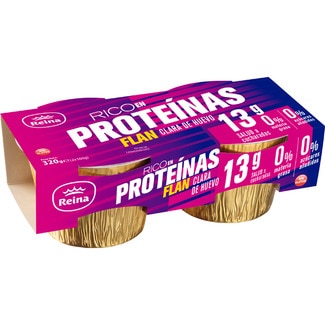
In the Spanish market, it is found in products such as 'sugar-free gum' (Orbit, Trident), 'sugar-free chocolate' (Nestlé, Valor), 'diet cookies', and 'light ice cream'. Usage limits are 'quantum satis' (sufficient amount to achieve the desired effect) for most applications, except in some cases like beverages where it is limited to 0.5 g/L. In the United States, the FDA recognizes it as GRAS (Generally Recognized as Safe) for similar uses. In Japan, it is also approved as a sweetener. There are no significant differences in limits between regions.
The main documented adverse effect of lactitol is its laxative action when consumed in large amounts (more than 20-30 g per day in adults). This is because polyols are not fully absorbed in the small intestine and are fermented by the gut microbiota, producing gas and attracting water by osmosis, which can cause diarrhea, flatulence, and abdominal pain. This effect is dose-dependent and varies among individuals. Sensitive populations include people with irritable bowel syndrome (IBS) or digestive disorders.
No interactions with medications have been documented. EFSA and WHO conclude that lactitol is safe for human consumption in usual amounts, and that laxative effects are transient and not serious. It has not been associated with chronic toxicity, carcinogenicity, or reproductive effects.
In summary, it is considered safe, but moderation is recommended to avoid digestive discomfort.
- Lactit
- Lactitol monohydrate
- Lactitol dihydrate
- 4-O-β-D-galactopyranosyl-D-glucitol
Products in our Spanish database containing this additive
Examples found in ComerClaro Spanish product database
Product names and supermarket data may appear in Spanish.


Classification:
Statistics
223
total views
Something wrong?
If you notice incorrect or incomplete information, help us improve the platform.