Xylitol
Score impact
+0.10
points/product
Description
Xylitol (E967) is a natural sweetener classified as a polyol or sugar alcohol. It occurs naturally in fruits and vegetables such as strawberries, plums, cauliflower, and pumpkin, albeit in very small amounts. Industrially, it is obtained by catalytic hydrogenation of xylose, a sugar present in birch wood and other plant residues. The process involves extracting xylan from biomass, hydrolyzing it to xylose, and then hydrogenating it using nickel as a catalyst.
Xylitol has a sweetening power similar to that of table sugar (sucrose) but with 40% fewer calories (2.4 kcal/g vs. 4 kcal/g). Its glycemic index is very low (7), making it suitable for diabetics. It is not fermentable by oral bacteria, so it does not contribute to tooth decay; in fact, regular consumption reduces plaque and the incidence of cavities.
In the European Union, xylitol was authorized as a food additive in 1995 (Directive 95/2/EC) and subsequently included in Regulation (EC) 1333/2008. EFSA has evaluated its safety on several occasions, concluding that there is no need to set an acceptable daily intake (ADI) because it poses no health risks in the amounts normally consumed. The WHO also considers it safe. However, excessive consumption can cause laxative effects due to its partial absorption in the small intestine. Regarding labeling, it must be listed as 'sweetener: xylitol' or 'E967'.
In some products, such as chewing gum and breath mints, the claim 'reduces the risk of tooth decay' is permitted if certain criteria are met. In Spain, xylitol is found in sugar-free gum, candies, chocolates, bakery products, jams, and beverages. It is also used in cosmetics and pharmaceuticals (toothpastes, mouthwashes).
The food safety of xylitol is supported by decades of use and multiple studies. No carcinogenic, mutagenic, or teratogenic effects have been reported in humans. The only relevant controversy is its toxicity in dogs: even small amounts can cause severe hypoglycemia, liver failure, and death. Therefore, it is recommended to keep products containing xylitol out of reach of pets.
Xylitol (E967) is mainly used as a sweetener in sugar-free or reduced-calorie foods and beverages. The categories authorized by Regulation (EC) 1333/2008 include: confectionery (chewing gum, candies, chocolates), fine bakery products, ice cream, jams, compotes, breakfast cereals, flavored drinks, sauces, and food supplements.
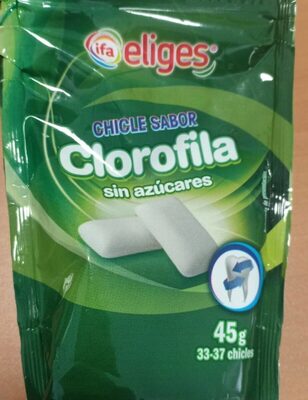
In Spain, it is commonly found in sugar-free gum (e.g., Orbit, Trident), breath mints (e.g., Smint), hard and soft candies, diabetic chocolates, and oral hygiene products such as toothpastes. Usage limits are 'quantum satis' (sufficient amount to achieve the sweetening effect) in most categories, except in some where a maximum is specified (e.g., 30 g/kg in certain bakery products).
The FDA also considers it safe (GRAS) and allows its use in similar amounts. In Japan, xylitol is approved as a sweetener and widely used in gum and candies. There are no significant differences in regulations between regions.
Xylitol is well tolerated by most people, but consumption in large amounts (more than 30-50 g per day in adults) can cause laxative effects, diarrhea, flatulence, and abdominal distension. This is because xylitol is not fully absorbed in the small intestine and reaches the colon, where it is fermented by the gut microbiota, producing gas and drawing in water by osmosis.
The mechanism is similar to that of other polyols. People with irritable bowel syndrome (IBS) may be more sensitive. No serious side effects have been documented in healthy humans. EFSA and the WHO conclude that xylitol is safe for human consumption in usual amounts. No known drug interactions exist. However, it is extremely toxic to dogs: doses of 0.1 g/kg can cause hypoglycemia, and higher doses can lead to liver failure. No chronic adverse effects or carcinogenicity have been reported in humans.
- Xylitol
- Birch sugar
Products in our Spanish database containing this additive
Examples found in ComerClaro Spanish product database
Product names and supermarket data may appear in Spanish.
Classification:
Statistics
258
total views
Something wrong?
If you notice incorrect or incomplete information, help us improve the platform.