Lactic acid
Score impact
0.00
points/product
Description
The food additive E270, known as lactic acid, is an organic compound belonging to the category of preservatives. It is a carboxylic acid with the formula C3H6O3 that occurs naturally in fermented products such as yogurt, cheese, sauerkraut, and sourdough bread. Industrially, it is obtained by bacterial fermentation of carbohydrates (such as glucose or lactose) using bacteria of the genus Lactobacillus, or by chemical synthesis from lactonitrile.
Lactic acid is a colorless or slightly yellowish liquid, miscible in water and ethanol, with a characteristic acidic taste. Its main function is as a preservative, as it reduces the pH of food, inhibiting the growth of pathogenic microorganisms and extending shelf life. Additionally, it acts as an acidulant, acidity regulator, and flavor enhancer.
Lactic acid was discovered in 1780 by the Swedish chemist Carl Wilhelm Scheele, and its use as a food additive has been approved in the European Union since the beginning of additive regulation. The European Food Safety Authority (EFSA) and the World Health Organization (WHO) have evaluated its safety on multiple occasions.
The Acceptable Daily Intake (ADI) was established as "not specified," meaning it is not considered a health risk in the amounts normally consumed. This assessment is based on its wide safety margin and the fact that it is a natural metabolite in the human body. On food labels, it must appear as "lactic acid" or "E270." In summary, E270 is a safe, well-tolerated additive with a long history of use in the food industry.
E270 is used in a wide variety of food categories. In the European Union, it is authorized by Regulation (EC) 1333/2008 in products such as fermented dairy products (yogurt, kefir), fresh and ripened cheeses, bread and bakery products, soft drinks, beer, cider, pickles, olives, sauces (mayonnaise, ketchup), meat products (sausages, frankfurters), and fruit and vegetable preparations.
In the Spanish market, it is commonly found in yogurts (e.g., Danone, Activia), sliced bread (Bimbo, Panrico), beers (Mahou, Estrella Damm), canned olives (Acenorca, Borges), and pickles (La Sirena). Authorized limits vary by product: in soft drinks up to 5 g/L, in dairy products quantum satis (sufficient amount to achieve the desired effect), in bakery products up to 2 g/kg, in sauces up to 5 g/kg, and in meat products up to 4 g/kg. Compared to the US FDA, lactic acid is classified as Generally Recognized as Safe (GRAS) and is permitted in similar amounts. In Japan, it is also approved without significant restrictions.
Its versatility and safety profile make it one of the most widely used preservatives worldwide.
Lactic acid (E270) is considered safe for the general population in the amounts used in foods. EFSA and WHO have established that there is no numerical Acceptable Daily Intake (ADI), as no significant adverse effects have been observed in animal or human studies. Lactic acid is a natural metabolite in the human body, produced during anaerobic exercise and present in the blood at normal concentrations.
At very high doses (far above those consumed in the diet), it could cause lactic acidosis, but this is not relevant for dietary intake. Some people with rare metabolic disorders, such as pyruvate dehydrogenase deficiency, may be more sensitive, but there is no evidence that E270 poses a risk to them. No interactions with medications have been documented.
In conclusion, EFSA and WHO consider lactic acid safe under authorized conditions of use, and no adverse side effects have been reported in the general population. Its safety profile is excellent, which explains its wide acceptance.
- 2-Hydroxypropanoic acid
- DL-Lactic acid
- Lactate
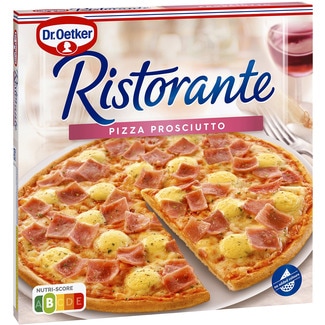
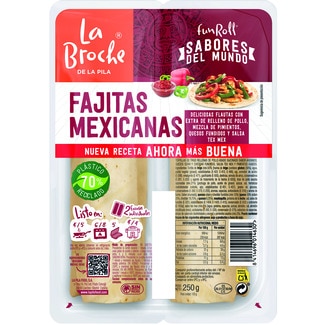
Products in our Spanish database containing this additive
Examples found in ComerClaro Spanish product database
Product names and supermarket data may appear in Spanish.

Classification:
Statistics
257
total views
Something wrong?
If you notice incorrect or incomplete information, help us improve the platform.