Natamycin
Score impact
-0.30
points/product
Description
Natamycin (E235) is a food additive classified as a preservative, mainly used to inhibit the growth of molds and yeasts on the surface of certain foods. It is a macrolide polyene antibiotic naturally produced by the bacterium Streptomyces natalensis, discovered in 1955 in South Africa. Industrially, it is obtained by aerobic fermentation of selected Streptomyces strains, followed by extraction, purification, and crystallization.
It is a crystalline powder ranging from white to pale yellow, practically insoluble in water (0.05 mg/mL) and soluble in organic solvents. Its molecular weight is 665.73 g/mol, and its melting point decomposes above 200 °C. Natamycin acts by binding to ergosterol in fungal cell membranes, altering their permeability and causing cell death. It is effective at low concentrations (1-10 ppm) and does not affect bacteria or viruses.
Its use as a food additive was approved in the European Union in 1995 (Directive 95/2/EC) and is currently regulated by Regulation (EC) 1333/2008. The European Food Safety Authority (EFSA) has evaluated its safety on several occasions, most recently in 2009, establishing an Acceptable Daily Intake (ADI) of 0.3 mg/kg body weight. The World Health Organization (WHO) and the Joint FAO/WHO Expert Committee on Food Additives (JECFA) have also evaluated natamycin, setting an ADI of 0.3 mg/kg.
Regarding food safety, EFSA concludes that there is no genotoxic or carcinogenic concern at authorized doses. However, as an antibiotic, there is a theoretical concern that it may contribute to antimicrobial resistance, although EFSA considers the risk low due to its topical use and low oral absorption. Labeling must include the name 'natamycin' or the number E235 in the ingredient list.
In summary, natamycin is an effective and safe preservative within established limits, although its use is restricted to surface applications.
Natamycin is used exclusively as a surface preservative to prevent the growth of molds and yeasts on food products. According to Regulation (EC) 1333/2008, it is authorized in the following categories: hard, semi-hard, and soft cheeses (except fresh), as well as heat-treated sausages and frankfurters. Maximum limits are 1 mg/dm² of surface (equivalent to 5 mg/kg in the final product) for cheeses and 1 mg/dm² for sausages.
In the Spanish market, it is found in aged cheeses such as Manchego, Gouda, Edam, and Emmental, as well as in frankfurter-type sausages and cooked chorizos. It is also used in some bakery and pastry products, although less commonly. In the United States, the FDA allows its use in cheeses and meat products under the category of 'substances added directly to food,' with similar limits. In Japan, it is approved for cheeses and sausages. Natamycin is not used in liquid or high-water-content foods due to its low solubility. It is applied by spraying or immersing the product in a diluted aqueous solution.
It is important to note that natamycin should not be present inside the food, only on the surface, and it is not allowed in products labeled as 'organic' in the EU.
Documented side effects of natamycin as a food additive are scarce due to its low oral absorption (less than 1%) and topical use. Animal studies have shown that natamycin is not genotoxic or carcinogenic.
In humans, no significant adverse reactions have been reported at dietary exposure levels. However, as an antibiotic, there is a theoretical concern that it may induce resistance in pathogenic microorganisms, although EFSA concludes that the risk is minimal because natamycin acts on ergosterol (absent in bacteria) and its use is external. Sensitive populations: people with allergy to natamycin (very rare) or with intestinal permeability disorders may have slightly higher absorption.
No drug interactions have been described. The ADI of 0.3 mg/kg/day established by EFSA and JECFA includes a wide safety margin. In conclusion, natamycin is considered safe for the general population under authorized conditions of use. However, some consumers may prefer to avoid it due to its antibiotic origin, although there is no evidence of adverse effects at permitted doses.
- Pimaricin
- Polyene antibiotic E235
- Natamycin (INN)
- Delvocid
- Myprozine
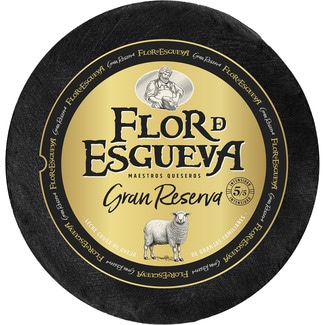
Products in our Spanish database containing this additive
Examples found in ComerClaro Spanish product database
Product names and supermarket data may appear in Spanish.


Classification:
Statistics
295
total views
Something wrong?
If you notice incorrect or incomplete information, help us improve the platform.